
![Juhor 2026: Put do utvrđenja bez lutanja i pogrešnih GPS mapa [Mapa]](https://seoskiavanturista.com/wp-content/uploads/2026/09/Juhor-2026-Put-do-utvrdjenja-bez-lutanja-i-pogresnih-GPS-mapa-Mapa-400x250.jpeg "Juhor 2026: Put do utvrđenja bez lutanja i pogrešnih GPS mapa [Mapa]")
![Niš 2026: Seoski turizam bez buke autoputa i loših instalacija [Cene]](https://seoskiavanturista.com/wp-content/uploads/2026/09/Nis-2026-Seoski-turizam-bez-buke-autoputa-i-losih-instalacija-Cene-400x250.jpeg "Niš 2026: Seoski turizam bez buke autoputa i loših instalacija [Cene]")
![Studenica 2026: Put do isposnice bez proklizavanja i lutanja [Mapa]](https://seoskiavanturista.com/wp-content/uploads/2026/09/Studenica-2026-Put-do-isposnice-bez-proklizavanja-i-lutanja-Mapa-400x250.jpeg "Studenica 2026: Put do isposnice bez proklizavanja i lutanja [Mapa]")
![Gornji Milanovac 2026: Smeštaj bez vlage i post-2025 marži [Cene]](https://seoskiavanturista.com/wp-content/uploads/2026/09/Gornji-Milanovac-2026-Smestaj-bez-vlage-i-post-2025-marzi-Cene-400x250.jpeg "Gornji Milanovac 2026: Smeštaj bez vlage i post-2025 marži [Cene]")
![Tupavica 2026: Put do vodopada bez lutanja i novih eko-taksi [Vodič]](https://seoskiavanturista.com/wp-content/uploads/2026/09/Tupavica-2026-Put-do-vodopada-bez-lutanja-i-novih-eko-taksi-Vodic-400x250.jpeg "Tupavica 2026: Put do vodopada bez lutanja i novih eko-taksi [Vodič]")
![Borsko jezero 2026: Kampovanje bez blata i kazni [Mapa]](https://seoskiavanturista.com/wp-content/uploads/2026/09/Borsko-jezero-2026-Kampovanje-bez-blata-i-kazni-Mapa-400x250.jpeg "Borsko jezero 2026: Kampovanje bez blata i kazni [Mapa]")
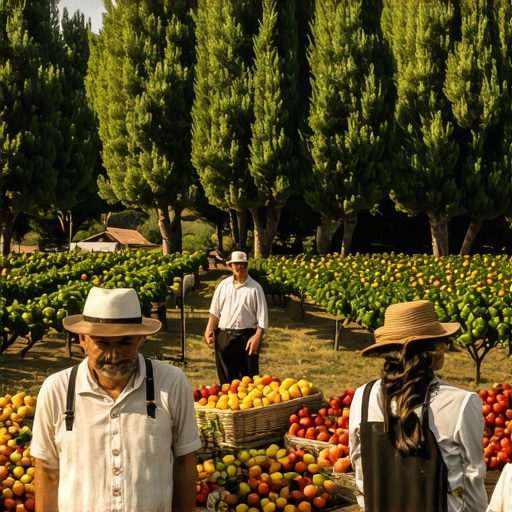
Dok se jadranska obala sve više pretvara u turistički raj, Krk ističe svoju autentičnost i tradiciju kroz novi val agroturizma koji obećava da će 2025. godinu učiniti nezaboravnom za sve posetioce. Ulice starogradskih sela, mirisi sveže berbe voća i zvukovi radionica postaju sastavni deo svakog odmora na ostrvu.
Ove godine, Krk se pozicionira kao destinacija koja ne nudi samo sunce i more, već i duboko uranjanje u lokalnu kulturu i gastronomske užitke. U fokusu su voćnjaci koji šume od mirisa, radionice za izradu tradicionalnih suvenira, te domaće specijalitete koji će vas podsetiti na porodične trpeze i prave ukuse otoka.
Zašto je agroturizam na Krku pravi odmak od masovne ponude?
Svet se sve više okreće održivosti i autentičnosti, a Krk je to prepoznao. Oko 16% lokalnih sela već pokazuju primere uspešnog ruralnog razvoja, a brojni projekti podržani su od strane EU fondova. Voćnjaci poput onih u Krasu ili Punatu nude sezonske plodove, dok radionice u kojima se uči pravljenje domaćeg sira, rakije i maslaca postaju hit među turistima koji žele da steknu nova znanja i veštine.
Da li će turisti 2025. godine više tražiti tradiciju ili avanturu?
Ovo je centralno pitanje za budućnost agroturizma, a stručnjaci ističu da je prava formula spojiti oba aspekta. Turisti žele iskusiti lokalnu kulturu, ali i uživati u aktivnostima na otvorenom, poput vožnje bicikla kroz voćnjake ili jahanja po obroncima otoka. Ovaj balans garantuje uspeh i održiv razvoj.
Za dodatne ideje i inspiraciju, pogledajte kako su neki od najuspešnijih etno sela na Balkanu, poput Tiganjica ili Stara Planina, uspešno očuvavaju tradiciju dok privlače široku publiku.
Ko su ti ljudi koji čuvaju tradiciju
Iza ovog novog talasa agroturizma na Krku stoje entuzijasti, lokalni poljoprivrednici i mladi preduzetnici koji su prepoznali potencijal u očuvanju kulturne baštine. Oni ne samo da promoviraju svoje proizvode, već i aktivno učestvuju u edukativnim radionicama i promociji autentičnih običaja. Sredinom prošle decenije, inicijative poput EU fondova za ruralni razvoj omogućile su ovim zajednicama da modernizuju svoje farme i domove, istovremeno čuvajući tradiciju. 
Kako lokalni projekti oblikuju buduće turiste
Na terenu, realnost je drugačija od turističkih reklama. Brojni projekti, poput očuvanja starih maslinika i izgradnje etno sela, već pokazuju rezultate. Turisti ne traže samo plaže i noćenje; žele doživeti autentičnost i aktivno se uključiti u lokalne aktivnosti. Ove inicijative podstiču razvoj lokalne ekonomije, povećavaju zapošljavanje i podstiču održivi razvoj ostrva. U skladu sa Strategijom razvoja ruralnog turizma u Hrvatskoj, ove promene su ključne za konkurentnost i dugoročni uspeh.
Stručnjaci ističu da će upravo spoj tradicije i avanture biti najtraženiji sadržaji u 2025. godini, što potvrđuju i primeri iz susednih zemalja.
Is This a Genuine Shift or Just a Fad?
While the narrative around Krk’s agrotourism paints a picture of authenticity and cultural revival, critics warn that this enthusiasm might be superficial. Some experts argue that the rapid expansion of agrotourism could be more about marketing than sustainability. „Many of these projects are heavily dependent on European Union funds,“ says Dr. Ana Petrović, an economist specializing in rural development. „Once the funding dries up, the true test begins — can these initiatives stand on their own?“
Proponents often highlight the benefits of preserving cultural heritage and boosting local economies. Yet, skeptics question whether this model can withstand economic fluctuations or if it risks becoming another overhyped tourist trap.
Are We Truly Supporting Local Communities or Just Commodifying Culture?
Many local residents express mixed feelings. Some see the benefits — more jobs, preserved traditions. Others worry about losing the authentic village atmosphere to commercial interests. One farmer from Kras, who prefers to remain anonymous, says, „We want to share our culture, but not sell it off piece by piece. The balance is delicate.“
This raises a fundamental question: Is agrotourism genuinely empowering local communities or turning them into stage sets for tourist consumption? The answer isn’t straightforward. It depends on how projects are managed and whether locals retain control over their cultural assets.
Data from the Croatian Rural Development Agency shows mixed results. While some villages have experienced growth, others report that profits are unevenly distributed, and traditional practices are being altered to meet tourist expectations. Source
Moreover, there’s the question of environmental impact. Increased foot traffic, waste, and resource use threaten the very landscapes that attract visitors. Critics argue that unless carefully managed, the boom could backfire, damaging the environment and eroding the authenticity that tourists seek.
Does this mean Krk’s agrotourism wave is a bubble waiting to burst? Or is it a genuine opportunity for sustainable development? The truth is, only time will tell. But one thing is clear: this is not just a story of tradition and tourism — it’s a complex, evolving challenge that requires careful thought and ongoing dialogue. What’s your take? Can cultural tourism be both profitable and authentic, or is this just a passing trend?
As Krk continues to develop its unique agrotourism scene, the long-term implications of this trend are poised to reshape not only the island’s economy but also its cultural landscape. One of the most significant future impacts will be the integration of innovative technologies aimed at boosting sustainability and enhancing visitor experiences. Smart farm management systems, for example, could become commonplace, allowing local farmers and entrepreneurs to optimize resource use and reduce environmental footprints.
Moreover, legislation geared towards sustainable tourism is likely to evolve, emphasizing stricter environmental protections and community involvement. Governments and EU bodies are increasingly advocating for policies that support local ownership and cultural preservation, which could help mitigate concerns about commodification. These regulatory changes will be crucial in ensuring that the growth of agrotourism remains balanced and beneficial for residents and visitors alike.
In tandem with policy shifts, cultural innovation is expected to play a vital role. Interactive digital platforms might emerge, offering virtual tours of traditional farms or augmented reality experiences that educate tourists about local customs and history. Such advancements could broaden the appeal of Krk’s agrotourism, attracting a global audience eager for authentic, immersive experiences.
Will agrotourism survive 2025 and beyond?
According to a recent trend report by the World Travel & Tourism Council, sustainable and experiential tourism will dominate the industry by 2025, emphasizing the importance of authentic local engagement. The report highlights that destinations which successfully blend tradition with innovation are more likely to thrive in the long term.
This evolution presents an exciting opportunity for Krk to position itself as a leader in sustainable rural tourism, setting a benchmark for other destinations. However, the path forward requires careful planning, community involvement, and adaptive policies that respond to changing tourist expectations and environmental considerations.
To stay ahead of these changes, local stakeholders and entrepreneurs should invest in continuous education, technological upgrades, and sustainable practices. By doing so, they can ensure that Krk’s agrotourism not only survives but flourishes, offering visitors genuine experiences while safeguarding the island’s natural and cultural resources for future generations.
Prepare now to embrace these upcoming innovations and policy shifts—Krk’s future as a premier agrotourism destination depends on proactive adaptation and sustainable growth. Staying informed and engaged will be key to making the most of the opportunities that lie ahead.
As Krk continues to redefine its tourism landscape, blending tradition with innovation, the island stands at a crossroads that could shape its identity for decades to come. While the allure of authentic experiences and sustainable practices draws increasing attention, critics remain cautious about the long-term viability of this trend. The question is whether Krk’s embrace of agrotourism will truly empower local communities and preserve their heritage, or if it risks turning cultural treasures into mere commodities.
Looking ahead, the integration of cutting-edge technologies such as smart farm management systems and virtual reality tours promises to deepen visitors’ engagement while minimizing environmental impact. These advancements, coupled with evolving legislation focused on community involvement and environmental protection, could serve as the backbone of a resilient tourism model. Initiatives like Tiganjica or Stara Planina exemplify how authenticity can coexist with innovation, setting a benchmark for others to follow.
Ultimately, Krk’s journey into agrotourism may be more than a fleeting fad; it could be the blueprint for a new era of responsible and enriching rural tourism in the region. But only time will reveal if this delicate balance can be maintained or if the island’s rich cultural fabric will be unraveled by unchecked commercial interests.
What do you think—are we witnessing a genuine renaissance or just the early signs of a bubble about to burst? Share your insights and join the conversation on the future of sustainable tourism.
The Bottom Line
Krk’s ambitious shift towards agrotourism underscores a global trend that values authenticity, sustainability, and community empowerment. As the island invests in innovative solutions and protective policies, it paves the way for a future where tourism enhances rather than erodes local culture. The real challenge lies in ensuring that this growth remains inclusive and environmentally responsible, safeguarding Krk’s unique charm for generations to come.
Are we supporting local communities or just commodifying their culture? The choice is ours to make, and the story of Krk’s future is still being written. Tell us—does this mark the beginning of a new chapter or the end of an old one?
![Zasavica 2026: Izbegnite buku i nove eko-takse za ulaz [Cene]](https://seoskiavanturista.com/wp-content/uploads/2026/09/Zasavica-2026-Izbegnite-buku-i-nove-eko-takse-za-ulaz-Cene.jpeg)
![Planina Jadovnik 2026: Ruta do supova bez odrona [Mapa]](https://seoskiavanturista.com/wp-content/uploads/2026/07/Planina-Jadovnik-2026-Ruta-do-supova-bez-odrona-Mapa.jpeg)
![Gornje Podunavlje 2026: Izlet bez mulja i post-2025 marži [Cene]](https://seoskiavanturista.com/wp-content/uploads/2026/07/Gornje-Podunavlje-2026-Izlet-bez-mulja-i-post-2025-marzi-Cene.jpeg)
![Glamping u Srbiji 2026: Izbegnite pregrejane šatore i vlagu [Cene]](https://seoskiavanturista.com/wp-content/uploads/2026/07/Glamping-u-Srbiji-2026-Izbegnite-pregrejane-satore-i-vlagu-Cene.jpeg)