![Juhor 2026: Put do utvrđenja bez lutanja i pogrešnih GPS mapa [Mapa]](https://seoskiavanturista.com/wp-content/uploads/2026/09/Juhor-2026-Put-do-utvrdjenja-bez-lutanja-i-pogresnih-GPS-mapa-Mapa-400x250.jpeg "Juhor 2026: Put do utvrđenja bez lutanja i pogrešnih GPS mapa [Mapa]")
![Niš 2026: Seoski turizam bez buke autoputa i loših instalacija [Cene]](https://seoskiavanturista.com/wp-content/uploads/2026/09/Nis-2026-Seoski-turizam-bez-buke-autoputa-i-losih-instalacija-Cene-400x250.jpeg "Niš 2026: Seoski turizam bez buke autoputa i loših instalacija [Cene]")
![Studenica 2026: Put do isposnice bez proklizavanja i lutanja [Mapa]](https://seoskiavanturista.com/wp-content/uploads/2026/09/Studenica-2026-Put-do-isposnice-bez-proklizavanja-i-lutanja-Mapa-400x250.jpeg "Studenica 2026: Put do isposnice bez proklizavanja i lutanja [Mapa]")
![Gornji Milanovac 2026: Smeštaj bez vlage i post-2025 marži [Cene]](https://seoskiavanturista.com/wp-content/uploads/2026/09/Gornji-Milanovac-2026-Smestaj-bez-vlage-i-post-2025-marzi-Cene-400x250.jpeg "Gornji Milanovac 2026: Smeštaj bez vlage i post-2025 marži [Cene]")
![Tupavica 2026: Put do vodopada bez lutanja i novih eko-taksi [Vodič]](https://seoskiavanturista.com/wp-content/uploads/2026/09/Tupavica-2026-Put-do-vodopada-bez-lutanja-i-novih-eko-taksi-Vodic-400x250.jpeg "Tupavica 2026: Put do vodopada bez lutanja i novih eko-taksi [Vodič]")
![Borsko jezero 2026: Kampovanje bez blata i kazni [Mapa]](https://seoskiavanturista.com/wp-content/uploads/2026/09/Borsko-jezero-2026-Kampovanje-bez-blata-i-kazni-Mapa-400x250.jpeg "Borsko jezero 2026: Kampovanje bez blata i kazni [Mapa]")
Na obali Jadrana, gde se sunce miluje maslinicima i voćnjacima, nalazi se otok Krk, destinacija koja obećava više od običnog odmora. Zamislite da se probudite uz miris sveže pečenih domaćih kolača, dok vas lagani povetarac nosi do voćnjaka punih zrelog grožđa i šljiva. Ovaj raj za ljubitelje prirode i autentičnog života nudi jedinstvene ruralne aktivnosti koje će vas osvojiti već od €100 po danu.
Zašto baš Krk? Preko 500 godina tradicije u svakom zalogaju
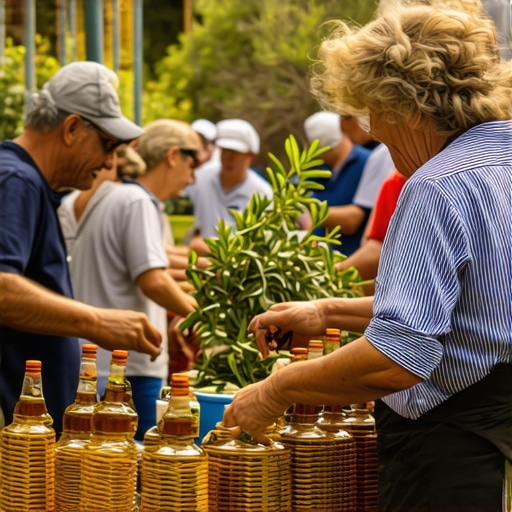
Krk nije samo otok, već živa priča o očuvanoj kulturi i gastronomiji. Ovde se gaji domaće vino i maslinovo ulje, a lokalni specijaliteti, poput pogača i pršuta, pravi se po starim receptima. Osim gastronomskog uživanja, možete učestvovati u radionicama pravljenja maslinovog ulja ili posetiti voćnjake gde se beru sezonske plodove. Ove aktivnosti ne samo da će vas povezati s prirodom, već će i doneti osećaj povezanosti sa mestom.
Da li je moguće zaista uživati u ruralnom životu za samo €100 dnevno?
Prema najnovijim podacima, troškovi se mogu održavati na toj nivou, posebno uz lokalne preporuke za pristupačno smeštaj i obroke. Pored toga, organizovane radionice i vođene ture omogućavaju da se doživi više od samog odmora, već i edukacije o tradicionalnim zanatima i gastronomiji. stručnjaci ističu da ovakvi oblici turizma doprinose održivom razvoju destinacije i podršci lokalnih proizvođača [cite: 16].
Koje aktivnosti nudi Krk za porodični odmor?
Od voćnih radionica za decu do vožnje tradicionalnim kočijama kroz vinograde, Krk pruža raznovrsne sadržaje za sve uzraste. Za ljubitelje aktivnog odmora, postoje staze za planinarenje, vožnju bicikla i jahanje konja. U večernjim časovima, možete uživati u degustacijama vina i domaće hrane u etno-selima, koja pažljivo čuvaju tradiciju i gostoprimstvo.
Za one koji žele dublju povezanost s prirodom, preporučujemo posetu ekološkim farmama i učestvovanje u radionicama pravljenja domaćih proizvoda. Sve ove aktivnosti ne samo da obogaćuju iskustvo, već i osiguravaju da vaš odmor ostane urezan u sećanje kao pravi spoj prirode, tradicije i ukusnih doživljaja.
Tradicionalni koreni i moderni trendovi
Otok Krk, poznat po svojoj bogatoj istoriji i kulturnoj baštini, odavno je simbol autentičnog mediteranskog života. Tokom poslednjih decenija, sve veći broj turista traži ne samo odmor, već i duboku povezanost s lokalnim običajima i gastronomijom. Ovaj trend nije slučajan; istraživanja pokazuju da savremeni putnici sve više vrednuju iskustva koja ih povezuju s lokalnim zajednicama, a ne samo površno uživanje u prirodi.
Razlozi za rast popularnosti ruralnih destinacija poput Krka leže u promenama u tržišnim preferencijama i zakonodavstvu. Evropska unija, na primer, poslednjih godina sprovodi politike podrške održivom turizmu, podstičući razvoj lokalnih proizvodnih i turističkih kapaciteta. Prema izveštaju Evropske komisije, održivi razvoj ruralnih područja postao je ključni faktor u smanjenju urbanog pritiska i očuvanju kulturne raznolikosti.
Priče ljudi koji su odabrali Krk
Među brojnim pričama, ističu se one lokalnih proizvođača i organizatora radionica. Marko, vlasnik maslinika, kaže da je od prošle godine primetio porast interesovanja turista za tradicionalne procese pravljenja ulja. „Ljudi žele da razumeju i osete koliko je naš rad posvećen očuvanju tradicije,“ objašnjava on. Takve inicijative ne samo da promovišu lokalne proizvode, već i doprinose ekonomskom razvoju zajednice, ističe ekonomista dr. Jelena Petrović u nedavnom izveštaju o održivom razvoju turizma.
Očuvanje i promocija kulturne baštine
Krk je tokom vekova bio mesto susreta raznih kultura, što se odražava na njegovoj arhitekturi, običajima i gastronomiji. Priče starosedelaca, kao i lokalnih zanatlija, čuvaju se i prenose s kolena na koleno, a turisti ih sve više prepoznaju kao dragoceno blago. Ovakav pristup očuvanju kulture ne samo da obogaćuje turističku ponudu, već i jača identitet zajednice.
Nacionalni zakoni, poput Zakona o očuvanju kulturnih dobara, pružaju okvir za zaštitu i promociju ovih vrednosti. U skladu sa tim, mnogi projekti uključuju edukativne radionice, obilaske i manifestacije koje slave autentičnost tradicije i podstiču odgovornu posetu.
Does the Charm Cover Hidden Challenges?
While stories of Krk’s rural appeal paint a picture of tradition and tranquility, critics warn against idealizing this lifestyle. Tourism experts argue that the rapid influx of visitors can threaten the very authenticity it seeks to promote. Local farmers and artisans, who once enjoyed a peaceful existence, now grapple with increased demands and commercialization.
Maria, a third-generation olive oil producer, shares her concerns. „Tourists love the tradition, but they don’t see the long hours, the unpredictable weather, or the economic pressures we face,“ she says. Her words hint at a growing disconnect between the romantic image and the reality.
Is This Trend Truly Sustainable in the Long Run?
Proponents of rural tourism emphasize its economic benefits and cultural preservation. They argue that responsible tourism can uplift local communities and keep traditions alive. Yet, skeptics ask: How long can this balance be maintained before the very fabric of local life starts to fray?
Research from the European Rural Tourism Association suggests that without strict regulations and community involvement, the risk of over-tourism rises. Small-scale farms and local businesses may find themselves overwhelmed, losing the intimacy that originally attracted visitors.
Moreover, there’s a concern about environmental impact. Increased foot traffic, waste, and infrastructural development threaten Krk’s natural landscapes. Critics contend that what seems like a win for local economies could morph into a loss of the island’s ecological integrity.
The Human Side of the Tale
Not everyone on Krk is enthusiastic about this shift. Some residents fear that the romanticized rural life is becoming a staged performance, tailored more for tourists than for locals. The question is: are we sacrificing genuine community bonds for fleeting economic gains?
This debate raises an important point. Tourism, if unchecked, can erode the very qualities that make Krk special. It’s essential for visitors and policymakers alike to consider whether the current model prioritizes sustainability or merely feeds the trend.
What’s your take? Can rural tourism on Krk be truly sustainable, or is it destined to become just another fleeting trend? This remains a vital question for the future of not only Krk but similar destinations worldwide.
As Krk continues to attract visitors seeking authentic rural experiences, the island faces pivotal questions about its long-term viability and growth. The evolving landscape of rural tourism, coupled with technological advancements and changing legislation, promises a transformative future that could redefine what sustainable vacationing means on this Mediterranean jewel.
Will Eco-Tourism Survive 2025?
Forecasts from the European Tourism Sustainability Report suggest that eco-tourism will become the dominant trend in rural destinations like Krk by 2025. Visitors increasingly prioritize authentic, environmentally friendly experiences, pushing local stakeholders to innovate in eco-friendly farming, green energy, and waste reduction. Initiatives such as solar-powered agritourism farms and biodegradable packaging are set to become standard, ensuring that tourism growth does not come at the expense of Krk’s natural beauty.
Legislative changes are also shaping this trajectory. The European Union’s new regulations on sustainable development and rural subsidies will incentivize local farmers and artisans to adopt greener practices, aligning economic benefits with environmental preservation.
New Technologies Set to Revolutionize the Experience
Emerging innovations like smart tourism apps and augmented reality (AR) are poised to enhance visitor engagement on Krk. Imagine wandering through vineyards with AR glasses that reveal historical stories or traditional cultivation techniques. Such immersive experiences can deepen tourists’ understanding and appreciation of local heritage while maintaining minimal physical impact.
Moreover, blockchain-based platforms could streamline local producers’ access to global markets, ensuring fair trade and transparency. These technological leaps will empower small-scale farmers and artisans, fostering a more resilient and interconnected rural economy.
What Changes in Legislation and Culture Are on the Horizon?
Anticipated legal reforms aim to balance tourism growth with community well-being. Stricter zoning laws and visitor caps may be introduced to prevent over-tourism and protect cultural sites from degradation. Additionally, incentives for preserving traditional crafts and supporting local artisans will likely increase, reinforcing the cultural fabric that makes Krk unique.
On the cultural front, a shift towards community-led tourism is expected. Initiatives that prioritize local ownership and storytelling will gain prominence, ensuring that the benefits of tourism are equitably distributed and that the island’s heritage remains vibrant and authentic.
To stay ahead of these trends, travelers and stakeholders must prepare for a future where technology, sustainability, and cultural integrity go hand in hand. Embracing innovation while respecting tradition will be crucial for Krk’s continued success as a model of responsible rural tourism.
In summary, Krk’s future hinges on its ability to adapt to these impending changes thoughtfully. The integration of eco-friendly practices, cutting-edge technology, and community-centered policies promises a resilient path forward—one that preserves its natural beauty and cultural richness for generations to come.
As Krk Island continues to attract travelers seeking authentic rural experiences, it faces critical questions about its long-term sustainability and growth. The delicate balance between preserving cultural heritage, supporting local economies, and protecting the environment is more vital than ever. Initiatives like eco-friendly farms, innovative technologies such as augmented reality tours, and community-led policies are shaping a resilient path forward. These developments not only promise to maintain Krk’s natural beauty and cultural richness but also set a precedent for responsible tourism worldwide. Curious if this model can withstand the test of time? The future of Krk’s rural charm depends on how well it adapts to these emerging trends and challenges.
![Niš 2026: Seoski turizam bez buke autoputa i loših instalacija [Cene]](https://seoskiavanturista.com/wp-content/uploads/2026/09/Nis-2026-Seoski-turizam-bez-buke-autoputa-i-losih-instalacija-Cene.jpeg)
![Planina Goč 2026: Izbegnite vlažne sobe i loše grejanje [Vodič]](https://seoskiavanturista.com/wp-content/uploads/2026/09/Planina-Goc-2026-Izbegnite-vlazne-sobe-i-lose-grejanje-Vodic.jpeg)
![Kamena Gora 2026: Izbegnite makadam i nove eko-takse [Cene]](https://seoskiavanturista.com/wp-content/uploads/2026/09/Kamena-Gora-2026-Izbegnite-makadam-i-nove-eko-takse-Cene.jpeg)
![Vlasinsko jezero 2026: Brvnare bez vlage i novih taksi [Cene]](https://seoskiavanturista.com/wp-content/uploads/2026/09/Vlasinsko-jezero-2026-Brvnare-bez-vlage-i-novih-taksi-Cene.jpeg)