

![Juhor 2026: Put do utvrđenja bez lutanja i pogrešnih GPS mapa [Mapa]](https://seoskiavanturista.com/wp-content/uploads/2026/09/Juhor-2026-Put-do-utvrdjenja-bez-lutanja-i-pogresnih-GPS-mapa-Mapa-400x250.jpeg "Juhor 2026: Put do utvrđenja bez lutanja i pogrešnih GPS mapa [Mapa]")
![Niš 2026: Seoski turizam bez buke autoputa i loših instalacija [Cene]](https://seoskiavanturista.com/wp-content/uploads/2026/09/Nis-2026-Seoski-turizam-bez-buke-autoputa-i-losih-instalacija-Cene-400x250.jpeg "Niš 2026: Seoski turizam bez buke autoputa i loših instalacija [Cene]")
![Studenica 2026: Put do isposnice bez proklizavanja i lutanja [Mapa]](https://seoskiavanturista.com/wp-content/uploads/2026/09/Studenica-2026-Put-do-isposnice-bez-proklizavanja-i-lutanja-Mapa-400x250.jpeg "Studenica 2026: Put do isposnice bez proklizavanja i lutanja [Mapa]")
![Gornji Milanovac 2026: Smeštaj bez vlage i post-2025 marži [Cene]](https://seoskiavanturista.com/wp-content/uploads/2026/09/Gornji-Milanovac-2026-Smestaj-bez-vlage-i-post-2025-marzi-Cene-400x250.jpeg "Gornji Milanovac 2026: Smeštaj bez vlage i post-2025 marži [Cene]")
![Tupavica 2026: Put do vodopada bez lutanja i novih eko-taksi [Vodič]](https://seoskiavanturista.com/wp-content/uploads/2026/09/Tupavica-2026-Put-do-vodopada-bez-lutanja-i-novih-eko-taksi-Vodic-400x250.jpeg "Tupavica 2026: Put do vodopada bez lutanja i novih eko-taksi [Vodič]")
![Borsko jezero 2026: Kampovanje bez blata i kazni [Mapa]](https://seoskiavanturista.com/wp-content/uploads/2026/09/Borsko-jezero-2026-Kampovanje-bez-blata-i-kazni-Mapa-400x250.jpeg "Borsko jezero 2026: Kampovanje bez blata i kazni [Mapa]")
Na obali reke, u mirnom selu Leušići, nedavno je održana manifestacija koja je okupila ljubitelje autentične srpske kuhinje i domaćih proizvoda. Vreme je stalo, a miris pečenog mesa i sveže pečenog hleba širio se kroz selo, podsećajući na bogatu gastronomsku tradiciju ovog kraja.
Ova priča ne bi bila potpuna bez razmatranja zašto je upravo sada važno podsticati očuvanje i promociju tradicionalnih recepta. U svetu gde se globalizacija neprestano širi, lokalni specijaliteti i domaći proizvodi postaju sve vredniji, ne samo zbog očuvanja identiteta već i kao ekonomska šansa za ruralne zajednice. Leušići, sa svojom dugom istorijom i tradicijom, predstavljaju pravi primer kako spoj tradicije i modernog turizma može doneti obostranu korist.
Zašto je srpska kuhinja u Leušićima važna za očuvanje kulturnog identiteta?
Srpska kuhinja je više od hrane; to je živi dokaz bogate prošlosti, običaja i sećanja. U Leušićima, recepti se prenose s kolena na koleno, a svaki sastojak nosi priču. Domaći proizvodi, od sira i kajmaka do suhomesnatih delicija, predstavljaju ne samo gastronomski užitak, već i vitalni deo ekonomije sela.
Da li će tradicija opstati u digitalnom dobu?
Ovo je pitanje koje izaziva mnoge stručnjake. Autoritativni izvori ukazuju da je očuvanje kulturne baštine ključno za identitet naroda, a digitalne platforme omogućile su da recepti i običaji postanu dostupni širom sveta [cite: 16].
Za one koji žele dublje iskustvo, poseta etno-selima poput Leušići pruža priliku da se upoznaju sa autentičnim receptima, domaćim proizvodima i gostoprimstvom domaćina.
Sledeći deo teksta analiziraće kako ove tradicije utiču na turizam i lokalnu ekonomiju, te na koji način možemo podržati očuvanje ove vredne kulturne baštine.
The Faces Behind the Tradition
At the heart of Leušići’s culinary resurgence are local artisans and families dedicated to preserving age-old recipes. These individuals serve as custodians of a cultural legacy, passing down techniques and flavors from generation to generation. Their commitment is not only cultural but also economic, as the demand for authentic products fuels a small but thriving local market.
The Roots of a Culinary Heritage
Leušići’s traditional dishes trace back centuries, shaped by historical influences and geographical factors. Historically, the region’s isolation helped preserve unique methods of preparing meats, cheeses, and bread. Over time, these recipes became embedded in local identity, offering a taste of history with every bite. The famous Serbian slow-cooked lamb and homemade bread are not mere meals but symbols of community and continuity.
From Local Markets to Global Platforms
In recent years, the digital age has played a pivotal role in preserving and promoting Leušići’s gastronomy. Online platforms and social media have allowed local producers to reach a broader audience beyond regional borders. A 2022 report by the Serbian Ministry of Culture highlights how digital storytelling and e-commerce have helped rural communities like Leušići sustain their traditions while adapting to modern consumer preferences.
The Impact on Local Economy and Tourism
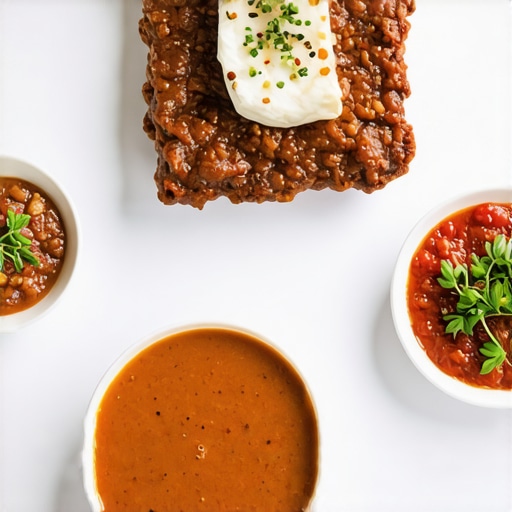
Leušići’s culinary reputation has become a cornerstone of its economic development. Visitors flock to experience authentic tastes and learn about the village’s history firsthand. This influx of tourists has invigorated local businesses, from small eateries to artisanal shops, creating a positive feedback loop that encourages further preservation efforts. Such trends exemplify how cultural heritage can be a powerful economic asset when effectively promoted.
Is Preserving Traditions Always a Good Thing?
While the story of Leušići paints a romantic picture of cultural preservation, skeptics warn that romanticizing tradition can sometimes hinder progress. Critics argue that clinging too tightly to age-old recipes might stifle innovation and adaptation in a rapidly changing world. For many young locals, the pressure to maintain authenticity feels like a burden, limiting their ability to experiment and evolve.
„We’re at a crossroads,“ says Dr. Ana Petrović, a cultural anthropologist. „On one hand, preserving our heritage is vital. On the other, overemphasis on tradition can prevent us from embracing new culinary trends that could appeal to a broader audience.“
Are We Overestimating the Economic Benefits?
The narrative that cultural heritage boosts local economies is compelling. Yet, some experts question its sustainability. Small-scale artisanal producers often face stiff competition from mass-produced goods and international markets. The influx of tourists may bring short-term gains, but what happens when the novelty wears off or when consumer preferences shift?
Economic analyst Marko Jovanović points out, „Many rural communities see a spike in tourism and sales, but these are often seasonal and fragile. Without continuous innovation and strategic marketing, these traditions risk becoming just a nostalgic memory, rather than a thriving industry.“
Human Stories Behind the Tradition
For some locals, the push to preserve their culinary heritage is more complex. Jelena, a young woman from Leušići, shares her perspective: „I love my culture, but I also want to study abroad and bring new ideas back home. I worry that if we focus only on tradition, we might miss out on growth opportunities.“
This raises a question: can tradition and modernity coexist without sacrificing authenticity? Or does the obsession with preservation sometimes hinder progress?
It’s a debate that extends beyond Leušići, touching on the future of cultural identity worldwide. As digital platforms amplify local stories, they also challenge communities to find a balance between honoring their past and embracing change.
What is your take on this delicate balance? Can tradition adapt to the digital age without losing its soul? This is a conversation worth having.
Looking ahead, the preservation of Leušići’s culinary traditions faces both promising opportunities and complex challenges. As digital platforms continue to gain prominence, they will play an even more vital role in ensuring that authentic recipes and local stories reach a global audience, fostering a sense of pride and continuity among younger generations.
One of the most significant trends likely to shape the future is the integration of technology into culinary heritage. Virtual reality (VR) tours of the village and interactive cooking classes led by local artisans could become commonplace, creating immersive experiences that bridge tradition and innovation. These initiatives not only promote cultural understanding but also open new revenue streams for rural communities.
Legislative changes are also expected to influence how traditional food products are protected and marketed. Countries worldwide are exploring legal frameworks for geographic indications and heritage labels, which could help safeguard authentic recipes from imitation and commodification. According to a 2023 report by the International Food Policy Research Institute, strengthening these legal protections can significantly boost local economies and preserve cultural identities.
Will Heritage Survive 2025
Forecasts suggest that the resilience of traditional culinary practices will depend heavily on adaptability. Communities that embrace digital storytelling, sustainable tourism, and innovative marketing are more likely to sustain their heritage amid global economic pressures. Nonetheless, the risk remains that commercialization might dilute authenticity unless carefully managed.
To stay ahead of these changes, local producers and cultural custodians should invest in digital literacy and branding strategies. Collaborating with international platforms can amplify their reach, while also ensuring that the core values of their traditions remain intact. This dual approach of embracing modern tools while honoring authenticity is vital for the long-term vitality of cultural heritage.
Ultimately, the future of Leušići’s culinary legacy hinges on a proactive stance that balances innovation with tradition. By fostering community engagement, leveraging technological advances, and advocating for supportive legislation, these villages can secure their place in the global cultural landscape for generations to come.
Prepare for these upcoming changes by staying informed about digital tools, legal protections, and tourism trends. Embracing a forward-thinking mindset will empower communities to transform their cultural assets into sustainable, thriving elements of the modern world.
Dok se poslednji zvuk pečenog mesa i miris sveže pečenog hleba širio kroz selo Leušići, postavljalo se pitanje: da li će ova bogata tradicija opstati u digitalnom dobu? Odgovor leži u savremenim tehnologijama koje, poput digitalnih platformi, omogućavaju da autentične recepture i običaji pređu granice sela i zemlje, čuvajući duh lokalne zajednice.
Sa svakom objavom na društvenim mrežama, lokalni proizvođači i entuzijasti hrane sećaju svet na svoje nasleđe, dok virtualne ture i online radionice stvaraju most između prošlosti i budućnosti. Leušići, sa svojom dugom istorijom, pokazuju kako spoj tradicije i inovacije može doneti ne samo očuvanje identiteta, već i ekonomski razvoj, podstičući turiste i ljubitelje gastronomije da otkriju njenu autentičnost.
Ovde nije reč samo o hrani – to je živa priča o običajima, zajedništvu i opstanku. Kao što su recepti prenosi s kolena na koleno, tako i digitalne tehnologije prenose priču Leušića širom sveta, ostavljajući traga koji će trajati generacijama.
Da li će ovakva sinteza tradicije i tehnologije biti model za druge zajednice ili će izazovi modernog doba ipak zahtevati težu odluku? Jedno je sigurno: budućnost kulturne baštine zavisi od naše spremnosti da je negujemo i u digitalnom svetu. Otkrijte više o autentičnim receptima i gostoprimstvu Leušića i podržite očuvanje ove vredne tradicije.
![Sjenički sir 2026: Izbegnite mešavine i nađite pravi ukus [Cene]](https://seoskiavanturista.com/wp-content/uploads/2026/08/Sjenicki-sir-2026-Izbegnite-mesavine-i-nadjite-pravi-ukus-Cene.jpeg)
![Mrčajevci 2026: Svadbarski kupus bez prevare i masti [Cene]](https://seoskiavanturista.com/wp-content/uploads/2026/08/Mrcajevci-2026-Svadbarski-kupus-bez-prevare-i-masti-Cene.jpeg)
![Jagnjetina na ražnju 2026: Gde naći meso bez kostiju i prevara [Mapa]](https://seoskiavanturista.com/wp-content/uploads/2026/07/Jagnjetina-na-raznju-2026-Gde-naci-meso-bez-kostiju-i-prevara-Mapa.jpeg)
Ovaj tekst stvarno dočarava dubinu i značaj očuvanja tradicionalne srpske kuhinje, posebno u kontekstu modernog doba. Meni je posebno interesantno kako se recepti i običaji prenose s kolena na koleno i koliko je to važno za identitet zajednice. U svakom slučaju, digitalne platforme zaista mogu igrati ključnu ulogu u promociji i zaštiti ovih kulturnih vrednosti, ali mi je isto tako jasno da to zahteva i odgovornu strategiju – kako da se očuva autentičnost, a istovremeno privuče šira publika. Moje pitanje je, kako lokalne zajednice mogu efikasno balansirati između očuvanja tradicije i potrebe za inovacijama ili modernizacijom, bez gubitka svoje originalnosti? Ponekad mislim da nam je potrebna jasna strategija i obrazovanje, ne samo za stvaranje proizvoda, već i za promociju svoje baštine na globalnom nivou.
Oduševljen sam pričom o Leušićima i njihovoj opredeljenosti za očuvanje tradicije kroz gastronomiju, posebno u današnje vreme kada je brz tempo života često usamljen od kulturne baštine. Nažalost, primetio sam da mnoge ruralne zajednice u Srbiji i širom sveta sve teže pronalaze pravi balans između očuvanja identiteta i potrebe za modernizacijom. Često se susrećem sa izazovima kao što su gubitak tradicije zbog uticaja masovne proizvodnje i globalnih tržišta.
Interesuje me, kakve konkretne mere ili projekte smatrate najefikasnijim za podršku ovim zajednicama u očuvanju autentičnosti, a istovremeno osnaživanju ekonomije kroz savremene tehnologije? Da li postoje slučajevi gde su lokalne inicijative uspešno integrisale staru tradiciju sa digitalnim platformama, a da to nije narušilo njihov identitet? Takve priče mogu biti inspiracija za mnoge, pa bih voleo čuti vaša iskustva ili mišljenja o tome kako možemo podstaći širu kreativnu i tehnološku saradnju u cilju očuvanja kulturnog blaga poput onog u Leušićima.